Ryokan and Onsen Etiquette in Japan: Shoes, Bathing, and Local Rules
JNTO and an independent travel guide explain footwear, bathing hygiene, tattoo policies, and transit etiquette while emphasizing venue-specific rules.
Publication & corrections: infostoa · Editorial standards
Individual author and specialist reviewer information is not provided for this article.
At a ryokan or hot spring in Japan, the most reliable rule is to follow the venue’s instructions rather than assume there is one practice everywhere. The Japan National Tourism Organization (JNTO) explains removing shoes at entrances, changing slippers around tatami and restrooms, washing before bathing, and facility-specific tattoo policies. Accommodation and operator rules vary, so check before arrival and ask staff when a point is unclear.
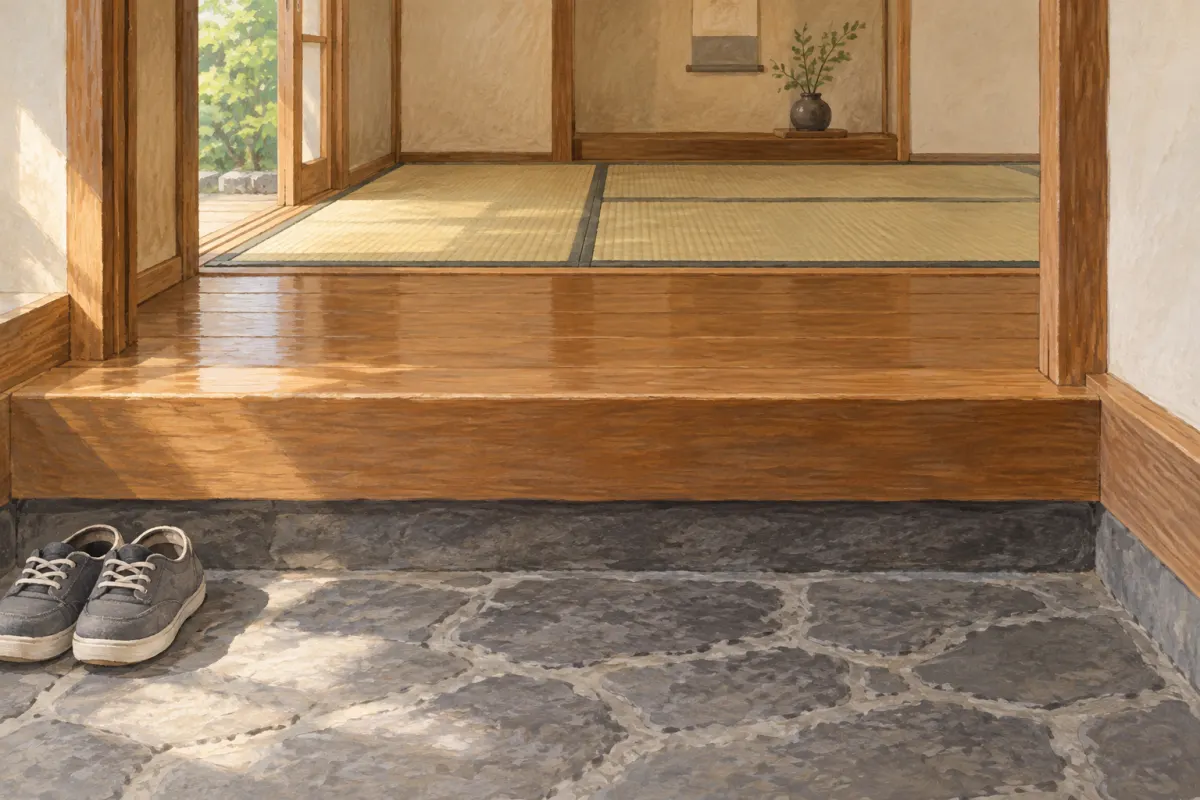
1. Distinguish the entrance, tatami, and restroom areas
Some Japanese-style inns ask guests to remove outdoor shoes just inside the entrance and use indoor slippers. Slippers may be removed before stepping on tatami, and a separate pair may be provided for the restroom. Whether yukata robes or slippers can be worn outside depends on the ryokan. Follow posted instructions or staff guidance; if you are unsure where footwear changes, ask before walking through.
These customs should not be imposed on every accommodation. JNTO distinguishes many Western-style hotels, which often follow familiar international practices, from traditional ryokan with their own house rules. Look for a shoe shelf or sign near the entrance, and check the inn’s directions for clothing and communal dining. Easy-to-remove footwear can be convenient, but it is not itself an etiquette requirement.
2. Wash before entering a communal bath
JNTO advises washing with soap before entering the bath at an onsen or sento. Shampoo and towels may be supplied, rented, or expected from guests depending on the facility. Check entry arrangements for gender-separated bathing areas, and follow each venue’s rules on mixed bathing or swimwear. Keep towels out of the bathwater, avoid staying too long in very hot water, and follow posted safety instructions.
Tattoo policies are especially venue-specific. JNTO notes that some hot springs, public bathhouses, pools, and gyms restrict tattoos, while exceptions exist depending on the operator. Ask the facility directly about admission, covering options, or private baths before booking. Do not assume that every small tattoo is accepted or that every facility refuses all tattooed guests.
3. Follow local cues when dining and using transit
Dining customs depend on the food and establishment. JNTO notes that slurping noodles can be accepted in some settings, but visitors are not required to do it and should not criticize how others eat. Check ordering and payment instructions; if you are unfamiliar with a dish or procedure, ask staff politely.
On trains and buses, JNTO recommends avoiding phone calls, keeping devices silent, and letting passengers exit before boarding. Priority seats should be offered to older, pregnant, or disabled riders when applicable. Crowd conditions and local notices vary, so follow signs, announcements, and operator instructions. This is visitor etiquette guidance, not a substitute for transport rules or local law.
4. Ask when an exception affects your visit
Whether a yukata can be worn to dinner or outside, whether tattoos must be covered, and whether towels are available can differ between ryokan and bathhouses. JNTO acknowledges those differences and advises asking staff when uncertain. Review the booking details and signs; if an entry condition is unclear, contact the venue before entering. A brief question is a practical way to avoid misunderstanding.
The purpose of visitor guidance is not to turn local customs into a memorization test. Consideration for other guests’ hygiene and movement, respect for site-specific instructions, and checking when uncertain are useful habits. Japan Guide offers independent practical context organized around particular situations, but only the venue can confirm its current operating rules.
5. Expert perspective: context and venue rules come first
JNTO’s visitor guidance gives concrete basics such as washing before bathing, changing footwear between areas, and avoiding phone calls on transit, while recognizing that inns and baths set different rules. Independent travel references likewise distinguish practices by context; neither one can grant admission or replace a local ordinance. Follow the latest signs and operator directions. Confirm conditions that could affect a reservation—such as tattoos, photography, clothing, or hours—with the venue in advance.