Cushing Syndrome: How Excess Cortisol Relates to Body and Muscle Changes
Cushing syndrome is prolonged exposure to excess cortisol. This guide separates medication-related and endogenous causes, explains metabolic and tissue changes, and outlines why diagnosis requires clinical evaluation.
Publication & corrections: infostoa · Editorial standards
Individual author and specialist reviewer information is not provided for this article.
Cushing syndrome describes changes caused by too much cortisol acting over a long period. Weight gain or a rounded face alone cannot establish the diagnosis. Glucocorticoid medicines can cause the condition, while excess cortisol produced within the body requires a different evaluation.
Cushing syndrome is broader than Cushing disease
Cushing syndrome is the umbrella term for prolonged cortisol excess, regardless of its source. Exogenous glucocorticoid exposure can cause it. Endogenous excess is less common and may involve the adrenal glands, pituitary, or another hormone-producing tumor. Cushing disease is the narrower term for excess cortisol associated with pituitary ACTH production.
The names therefore do not mean the same thing. Similar physical changes can arise through different causes, so medication history, hormone signaling, and laboratory results matter. Anyone concerned about a prescribed steroid should consult the prescriber before making a change; suddenly stopping a glucocorticoid may be unsafe.
Metabolic effects involve more than body weight
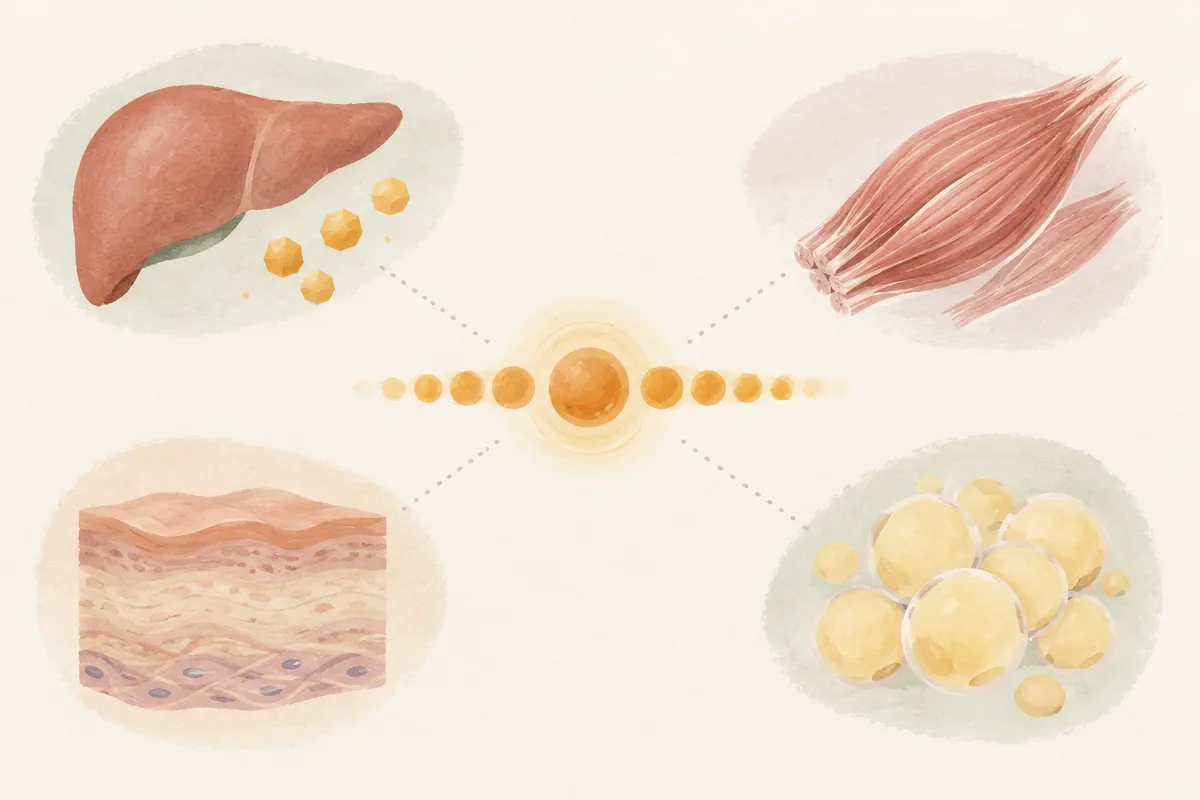
Cortisol normally helps regulate blood glucose and the way the body uses energy. Prolonged excess can affect glucose production and control as well as protein and fat metabolism. These effects help explain why some people develop increased fat around the trunk or upper body together with higher blood sugar and loss of muscle in the limbs.
This is a physiological explanation, not a way to diagnose an individual from appearance. Age, medication exposure, and other endocrine or metabolic conditions can produce overlapping changes. The same body shape does not reveal which mechanism is responsible, and weight change alone does not establish hypercortisolism.
Muscle and skin findings are clues, not proof
Some people experience reduced muscle strength, thinner skin, or bruising more easily. Cortisol excess can affect protein metabolism and tissue maintenance, which helps connect these findings to hormone exposure. Other possible features include broad purple stretch marks, elevated blood pressure, or high blood glucose.
Fatigue, weight gain, and bruising also occur for many other reasons. Clinicians look at how features develop and whether several findings occur together rather than treating one sign as decisive. A record of when changes began and which medicines were used is more useful in an appointment than a self-diagnosis based on a symptom list.
Diagnosis combines history and appropriate testing
NIDDK describes diagnosis as a combination of medical history, physical examination, and laboratory testing. Endocrine Society guidance recommends reviewing exposure to glucocorticoid medicines before biochemical testing and selecting an initial test for people whose clinical features warrant evaluation. Depending on the situation, clinicians may consider urine, late-night saliva, or dexamethasone-suppression testing.
No single test answers every case. An abnormal initial result may need confirmation with another recommended test or assessment by an endocrinologist. High suspicion with conflicting results also calls for specialist evaluation. Timing, medication effects, and clinical context influence interpretation, so this article does not provide a dose or a home testing plan.
Prepare a record of route and timing
Use columns for “medicine/product name / oral, injection, inhaled or skin route / purpose / start and stop dates / prescriber / test date and use at the time.” A fictional entry, “skin product A / intermittent use / start date unknown / package photo available,” should retain “unknown” rather than invent a date. Bring the packaging or prescription record; ask a clinician or pharmacist if you cannot identify whether it contains a glucocorticoid.
Add the order in which body-shape, strength, skin, blood-pressure or glucose changes appeared. This helps review exposure; it does not diagnose medication-related Cushing syndrome. Do not skip or stop medicines for a test on your own. Confirm preparation with the prescribing clinician.