Credit Freeze or Fraud Alert? Two Different Identity-Theft Controls
In the United States, a credit freeze restricts prospective creditors’ access to a credit file, while a fraud alert asks businesses to verify identity. This guide compares their effects, duration, and practical trade-offs.
Publication & corrections: infostoa · Editorial standards
Individual author and specialist reviewer information is not provided for this article.
The core distinction: a freeze restricts access; an alert asks for verification
In the United States, a credit freeze (also called a security freeze) restricts a nationwide credit reporting company from giving prospective creditors access to a consumer’s file for a new-credit application. That can make it harder for an identity thief to open a new account using the file. A fraud alert works differently: it leaves the report accessible and asks businesses to verify the applicant’s identity before extending new credit. Both tools address part of identity-theft risk, but they intervene at different points. The Federal Trade Commission says anyone can place a freeze, at no cost, whether or not information has already been exposed. An initial fraud alert is intended for people who are or suspect they may be affected by identity theft. Neither tool automatically stops every form of fraud or misuse of an account that is already open.
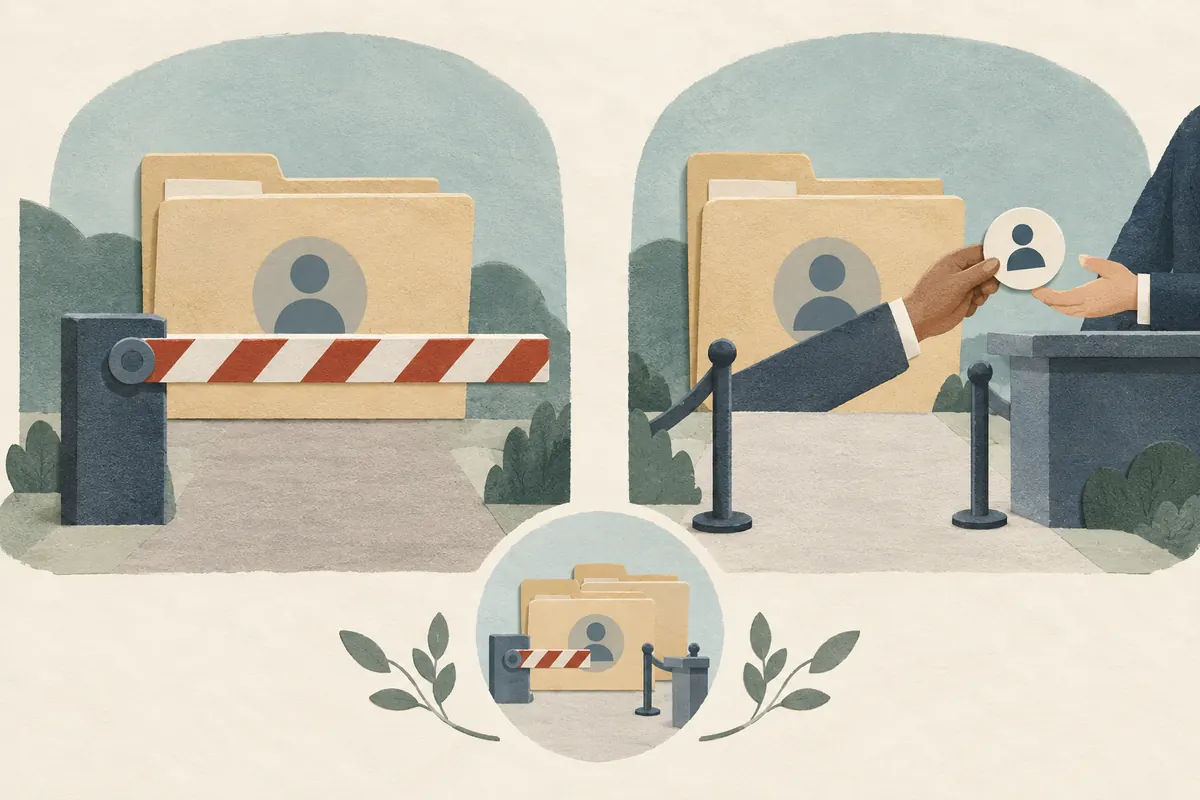
A freeze blocks a new application path and must be lifted when needed
The FTC says placing or lifting a freeze is free and does not affect a credit score. A consumer must contact all three nationwide reporting companies—Equifax, Experian, and TransUnion—to freeze each file. A freeze at only one company does not restrict access to the other files. It remains until the consumer asks to lift it. If a person plans to apply for a credit card, loan, apartment, or another service that checks credit, the FTC recommends finding out which company the lender will use and temporarily lifting the freeze there. The consumer can restore it after the check is complete. This is a stronger access restriction, but it adds a step that must be timed to the application and the reporting company. Access to an existing account for account review or collection is a different issue from a prospective creditor checking a file for a new application; the phrase “freeze” should not be read as shutting down every use of a credit report.
A fraud alert leaves the file visible but calls for an identity check
An initial fraud alert lasts one year and can be renewed. The FTC says a consumer can contact one of the three reporting companies; that company must notify the other two. When a business sees the alert on a file, it must take steps to verify identity before opening new credit, often by contacting the applicant. The alert does not block a business from seeing the report. A person who has experienced identity theft and completed an FTC identity-theft report or filed a police report can request an extended alert that lasts seven years. That request can also start with one reporting company, which notifies the others. Eligibility and supporting documents differ by alert type, so a person considering an extended alert should consult the current FTC instructions. Compared with a freeze, an alert avoids a separate thaw request before each planned credit check, but it relies on businesses seeing and acting on the alert.
Expert perspective: choose around the fraud signal and your next application
Read together, the FTC’s identity-theft guidance and the CFPB’s credit-report resources show why neither control is a universal substitute for the other. A freeze is a direct way to limit a prospective lender’s access to a file; an alert asks that lender to take an identity-verification step while leaving the file available. The FTC says both can be used at the same time. After either is placed, consumers still need to review their reports and account activity: an alert or freeze cannot tell whether an existing account has already been misused, and a report can contain errors that require a separate dispute. The CFPB provides broader information about obtaining and reviewing reports and about consumer rights; it is not the detailed source for every freeze or alert procedure described above. These federal resources concern U.S. nationwide reporting systems. State law, protected-consumer procedures, existing-creditor access, and other legally permitted uses can affect a particular case. Before acting, check the current FTC and CFPB instructions and the relevant reporting company’s process.